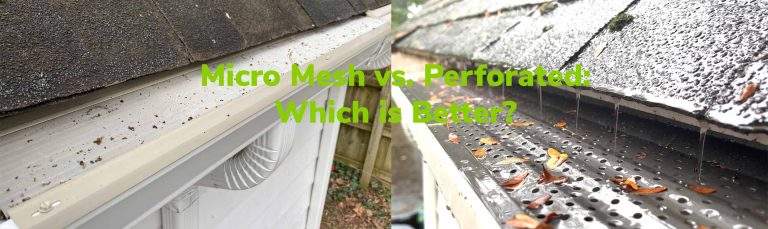
Staying out of the gutter: Gutter guards can help eliminate debris. But will they take the place of regular cleaning?
April 08, 2011|By William Hageman Tribune Newspapers
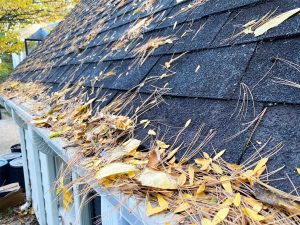
It’s one of the rites of spring. And of fall too. Homeowners drag out the ladder and spend the better part of a day cleaning debris from their gutters.
One way to avoid the chore is to install gutter guards, products that keep leaves, twigs and other materials from settling in the gutter and causing clogs. The problem is, there are a lot of products on the market. And almost every sales pitch ends with “you’ll never have to clean your gutters again.”
“The more products they look at, the more confused they become,” says Johnathan Skardon, a gutter expert and blogger who has been in the business for almost 15 years. “They hear the same rhetoric from everybody — this is the best product on the market, and you’ll never have to clean your gutters. You need to do your due diligence, so a year from now you won’t be wondering why you bought that product.”
Skardon is the managing director of Gutter Guards Direct, a company that sells and installs four types, from an entry-level product to a high-grade system. He also writes the GutterTalk blog (guttertalkblog.com), which he fashions as a consumer guide.
“From my perspective, I’d rather educate homeowners on what the possibilities are, what the options are,” he says. “It’s something that’s really confusing.”
He says that one reason he started the blog was that the industry had not advanced much, and consumers were getting the same old products in addition to that same old sales pitch. Traditionally, that product was a solid gutter cover. But in the last 10 years, stainless steel micromesh screens have appeared and are gaining favor.
Here are three types of products aimed at keeping gutters clear. Some work well. Some work less well. In many cases, it depends on the type and number of trees around your home. In other cases it depends on the installation. Remember, do your due diligence.
Screens
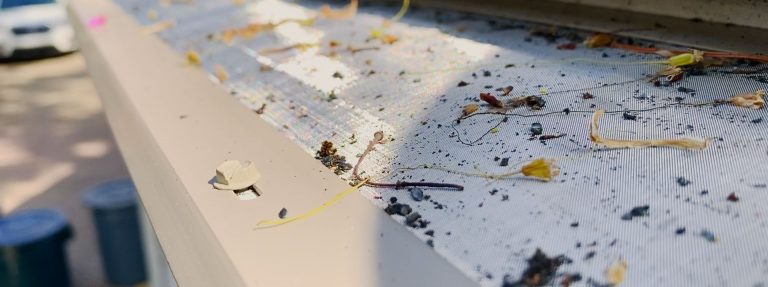
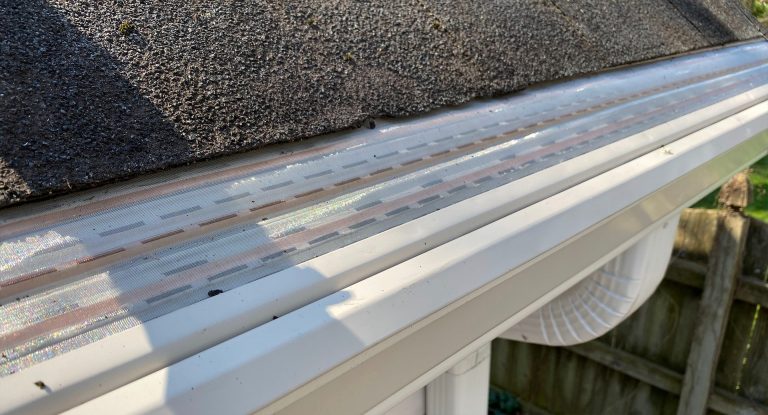
Made of everything from surgical stainless steel mesh to PVC, they will all work to some degree. It depends on the size of the holes in the screen and how much flotsam and jetsam comes washing down your roof.
Plastic screens, aimed at do-it-yourselfers and priced at less than 50 cents a foot, tend to have larger holes, so more debris slips through. If your home is surrounded by trees, pine needles, oak tassels and maple helicopters can fit through and clog the gutter; so will accumulated granules from shingles. In addition, in the summer, a combination of debris and heat can make the screen collapse into the gutter, though that could be a reflection on faulty installation, not the product.
A smaller mesh screen will block more debris, of course. A medium size screen can be installed for $13 or $14 a foot, Skardon says. But the best screen systems are the mesh ones (there are several manufacturers). They keep even the smallest particles of shingle detritus out. These are not do-it-yourself projects; they’re available only through dealers. Installation fees plus the cost of materials and the manufacturing process bring the price to around $20 a foot, Skardon says.
Surface tension
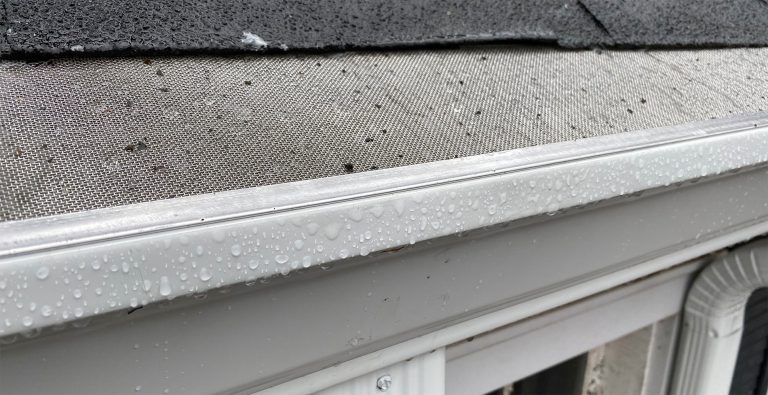
These systems fit over the gutter; water runs over them and into the gutter, but the debris goes over the edge. It works on the principle of surface adhesion, Skardon says. Water goes from roof to shingle to gutter guard and rolls over it into the gutter. But that small opening for the water can also let in a small percentage of the debris.
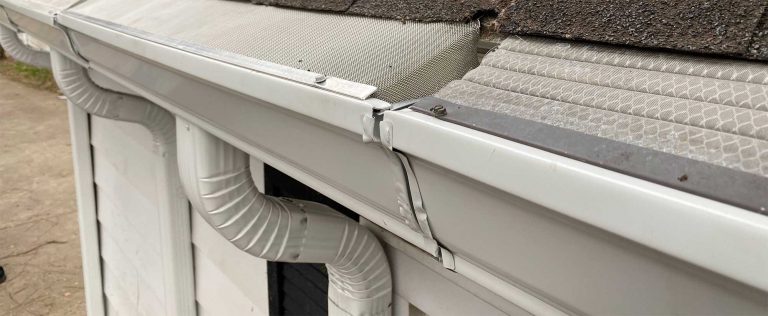
Methods of installation vary. Virtually all snap on the edge of the gutter, and some types are fitted under the edge of the shingles, while others are attached to the fascia.
Skardon says $21 a foot (installed) is a typical price, but he has seen prices as high as $30 or $40 a foot quoted. He says that homeowners generally can negotiate those prices down significantly.
Gutter filters or inserts
Made of foam or a brush-like material, these trap debris and let the water in. Installation is relatively easy; sections are simply placed in the gutter. Priced at about $4 a foot, these products can be ineffective if a home is surrounded by a large number of debris-dropping trees.
Copyright 2011. Tribune Newspapers. Courtesy of Chicago Tribune.


Hi! Thanks for this great site.
Even after reading it I’m still lost though! Please help!
Perhaps you can offer me a suggestion of what to buy based on the following circumstances, please.
- 5 in. K-style gutters.
- Lots of huge leaf dropping trees above my house.
- No pine, but yes helicopters.
- Tons of pollen (why I fear micro-mesh).
- Four extreme seasons: lots of snow/ice in winter, pollen/rain in spring, leaves in fall, heat in summer.
- I’m handy and can probably install myself.
- Want the right product, cost is not a huge factor.
Jeff:
If you want to keep all leaves and debris out of your gutters, then you have no choice but to go with a micro mesh type product. With that said, pollen can be an issue on micro mesh systems in a similar way that it is an issue with solid/reverse curve gutter guards.
The screen openings on some of the micro mesh gutter guards are too small to allow the pollen to filter through. As a result, pollen can build up on the surface and when it rains, it can get gooey. Some pollen will wash away and some might stick around, but I haven’t seen that it is such an issue that it renders the screens useless. Even though it’s a pain, hitting the screen surface with a garden hose will wash away any remaining pollen residue.
Some micro mesh manufacturers have realized that the screens they use don’t have to be so microscopic, so we’re seeing more products with larger screen openings. Mind you, they’re still very small that even shingle granules will not penetrate the screens in most cases.
Solid gutter covers suffer a similar issue where pollen builds up on the nose of the gutter guard. As you know, water is supposed to adhere to the solid surface and follow the curvature into the gutter. When pollen and other organic matter sticks to the solid surface, water has a harder time adhering, and tends to wash over the gutters instead of going inside the gutters. When this happens, it’s time to pull out the garden hose to wash off the face of the gutter guards with water in order to remove the sticky residue. Additionally, Maple tree seeds — better known as helicopters and whirlybirds — will still get inside your gutters with a solid cover, contrary to what any good sales rep will tell you.
Okay, so we’ve determined that pollen can be an issue with either type of product. I would recommend looking for a guard that is screen based, but will have hole openings large enough to allow pollen to go through the screen. If you don’t mind shingle granules going through, too, then you can use a larger screen that will keep out the maple tree seeds but allow pollen and smaller debris to pass through.
Send me an email with your contact details to jskardon(at)guttertalkblog.com, and we can discuss your options in more detail.